

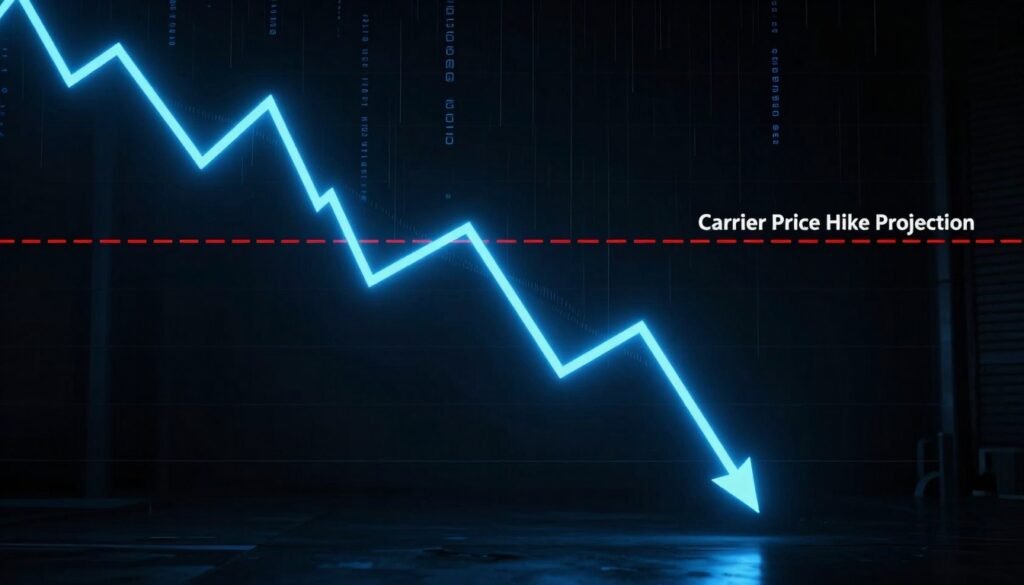
Carriers entered 2026 full of hope for rate hikes. They banked on tighter capacity and steady demand to push prices up. But spot market rates tumbled instead. Dry van loads saw drops of up to 15% in the first weeks of January. Refrigerated freight followed close behind with 12% declines. This twist caught many off guard. What went wrong with those bold predictions?
The story starts with 2025’s end. Carriers built strategies to control supply and lift prices into the new year. They cut runs and parked extra rigs. Yet, demand softened fast after holidays. Shoppers spent less. Factories eased production. Fuel costs dipped too, easing some pressures but not enough to save rates. Overcapacity lingered like a shadow. This mix crushed the planned increases. Shippers grabbed the chance to score deals. Now, the trucking world faces a deflationary start to Q1.
Section 1: Analyzing the January 2026 Rate Collapse
Spot rates plunged right after New Year’s. Major lanes from Texas to the Northeast lost ground quick. Dry van hauls dropped 10-15% on average. Reefers saw similar hits, especially for produce runs. Contract rates held steadier, dipping just 5% in spots. They lock in longer terms, so changes come slow.
This early slide raises questions. Is it just holiday lag? Or the start of a longer downtrend? Past Januaries show quick rebounds if demand picks up. But 2026 feels different. Inventory builds from late 2025 sit heavy. No big rush to move goods yet. Watch for signs in February reports.
H3: Spot Market Volatility vs. Contract Rate Stagnation
Spot market swings hit hard this month. Rates bounced from $2.00 per mile down to $1.70 in key corridors. Dry vans led the fall on lanes like Chicago to Dallas. Reefers held a bit better at $2.50 average, thanks to fresh food needs.
Contract rates barely budged. Many renewals from Q4 stuck at prior levels. A few shippers pushed for cuts mid-term. This gap shows spot’s wild ride versus contract’s steady base.
Think of spot as a daily auction—bids drop when sellers flood in. Contracts act like fixed leases. They shield from chaos but miss savings now.
H3: The Role of Tender Rejection Rates in Price Pressure
Tender rejections fell sharp in January. Carriers said yes to 95% of loads, up from 85% in December. More rigs meant fiercer fights for freight.
This flood of capacity crushed spot prices. Empty miles rose 20% in surveys. Drivers chased any paying run.
Market data from apps like DAT backs it. Load-to-truck ratios dropped to 5:1 nationwide. That’s plenty of choice for shippers. Carriers feel the squeeze on margins.
H3: Fuel Surcharge Adjustments and Their Impact
Diesel prices eased to $3.20 per gallon by mid-January. Down from $3.50 in late 2025. This cut helped carriers a touch but hurt rate sticks.
Fuel surcharges dropped 5-7% on long hauls. Lanes over 500 miles saw the biggest relief. But overall rates fell faster than savings grew.
Shippers passed some bucks back in talks. “Why pay more if fuel’s cheap?” they asked. This added to the downward pull.
Section 2: Why Carrier Price Hikes Failed to Take Hold
Carriers announced hikes in December. They aimed for 5-10% bumps on contracts. But reality bit back. Capacity swelled just as plans rolled out.
Fleet adds from 2024 orders hit roads now. New trucks mean more supply. Owner-ops jumped in too, drawn by steady work last year.
Industry watchers note operating ratios near 95%. That’s slim profits for big fleets. No room to hold high prices.
H3: Persistent Capacity Glut Overshadowing Carrier Optimism
Trucks poured in from past buys. Orders placed in boom times arrived in 2026. Delays pushed them out just right—or wrong—for carriers.
Retirements slowed. Older rigs stayed active longer. This kept supply high.
Reports from ACT Research show 200,000 new Class 8 units expected this year. That’s a glut. Carriers’ bright outlooks faded fast.
H3: Shifting Shipper Behavior and Negotiating Power
Shippers pounced on the news. They ignored hike notices and shopped spot deals. Tender accepts climbed to 98% in some spots.
For Q1 renewals, they demanded cuts. Some shifted 20% more volume to spots for cheap hauls.
“You hold the cards now,” one logistics head said in forums. Shippers built leverage from high accepts. No need to lock high rates.
- Spot buys save 15% on urgent loads.
- Contracts get renegotiated with volume threats.
- Multi-carrier bids keep pressure on.
H3: Macroeconomic Headwinds Dampening Q1 Demand Forecasts
Economy cooled entering 2026. Consumer spending dipped 2% in December data. Retail stocks piled up.
Interest rates stayed high at 4.5%. Factories cut output 3%. Auto and goods moved less.
Supply chains normalized post-2025 snarls. No disruptions to spike needs. This all fed the rate drop.
Section 3: Sector-Specific Performance: Winners and Losers
Trucking’s broad fall hit uneven. Intermodal gained ground. Specialized hauls varied by need. Regional spots showed big gaps.
Lower truck rates pushed some to rail. But not all adapted quick.
H3: Intermodal and Rail Adaptation to Lower Trucking Rates
OTR truck spots fell 12%. This made rail look better for long runs. Intermodal rates held at $1.80 per mile, down just 4%.
Railroads offered deals fast. Discounts up to 10% on Chicago to LA lanes. They grabbed share from trucks.
Shippers switched 15% more volume to containers. Fuel savings added up. Trucks lost ground on bulk goods.
H3: Specialized Freight (Reefer/Flatbed) Dynamics
Reefers dropped 10%, less than dry vans’ 15%. Ag harvests kept demand firm. Florida to Northeast produce runs stayed strong.
Flatbeds held better too. Construction ticked up 5% in South. Steel hauls buffered the slide.
Dry vans took the hardest hit. Retail goods glut hurt most. Commodities with steady pulls fared ok.
- Reefers: Produce season aids.
- Flatbeds: Infra work supports.
- Dry vans: Oversupply kills.
H3: Regional Lane Disparities
West Coast to Midwest saw 18% drops. LA ports eased after holiday rush. Plenty of trucks waited.
But Southeast lanes dipped just 8%. Tight supply lingered from storm recovery. Atlanta to Florida held firm.
East-West corridors averaged 12% down. Local runs varied by factory output.
Section 4: Actionable Strategies for Shippers in a Deflationary Market
Rates fall fast now. Shippers can act smart. Mix spot and contracts right. Check carriers close. Use tools for edges.
Grab savings before rebound. Plan for Q2 bids early.
H3: Optimizing Contract vs. Spot Market Utilization
Bid low for Q2 tenders now. Spot rates at $1.60 signal weakness. Add re-open clauses for mid-year tweaks.
Shift 30% volume to spots if flexible. Lock contracts at current lows.
- Bid quarterly, not yearly.
- Use volume flex to negotiate.
- Track spot trends weekly.
H3: Vetting Carrier Stability During Rate Compression
Margins shrink fast. Pick carriers with solid books. Look at debt levels and cash flow.
Ask for cost breakdowns in talks. Avoid those cutting corners on safety.
Tools like Carrier411 help check ratings. Stable partners weather the storm.
H3: Technology Adoption for Real-Time Rate Benchmarking
Apps like Uber Freight show live rates. Ditch old tariffs. Spot deals drop daily.
Integrate TMS for alerts. Save 10% by jumping on lows.
Tech spots trends early. Shippers who adopt win big.
Conclusion: Outlook Beyond January 2026
Freight rates dropped sharp in January 2026. Carrier hikes from late 2025 failed against overcapacity and soft demand. Spot markets led the fall, with contracts trailing.
Structural supply hangs heavy. Shippers hold power now. But carriers could rebound if economy booms or regs hike costs. A big spend surge or fuel jump might flip it.
Lock in deals today. Capacity stays loose for months. Act now to cut costs and build buffers. Your bottom line thanks you.